Starting a cleaning business can pay well, especially now that more homes and commercial spaces want quality cleaning. But getting a business set up and growing takes careful planning, good decisions and follow-through. Here are nine steps new and would-be cleaning business owners should take to get off to a strong start.
1. Come Up with a Name for Your DBA or LLC
First, pick a name for your Doing Business As (DBA) or Limited Liability Company (LLC). This name is your business's identity, so choose one that fits your brand and appeals to the clients you want. It should be unique and easy to remember, and it should sound professional and trustworthy.
For instance, you could pick a name that points to the quality of your work, like "Spotless Cleaning Services," or to your eco-friendly methods, like "GreenClean Solutions." Be sure to check that the name you've chosen is available and doesn't infringe on any existing trademarks.
2. Register Your Business with the State to Receive Your Tax ID Number
Next, register your business with your state's Secretary of State office. It's a legal requirement. It makes your business official and lets you get your tax identification number. The process varies by state. It usually means filing articles of organization (for an LLC) or a fictitious business name statement (for a DBA) and paying a filing fee.
Once you're registered, you'll get your Employer Identification Number (EIN) from the IRS. Think of it as your business's Social Security number. You need it to file and report your taxes. You can apply for an EIN online on the IRS website.
3. Open a Business Checking Account
A business checking account keeps your personal and business money apart. That way you can track business expenses, manage cash flow and get ready for tax season without sorting through your own bills.
Before you open one, shop around. Look at what different banks offer and look for low fees, online banking and other services built for small businesses. The bank you pick can affect how well your business grows.
4. Make a Few Business Work Shirts for a Professional Look
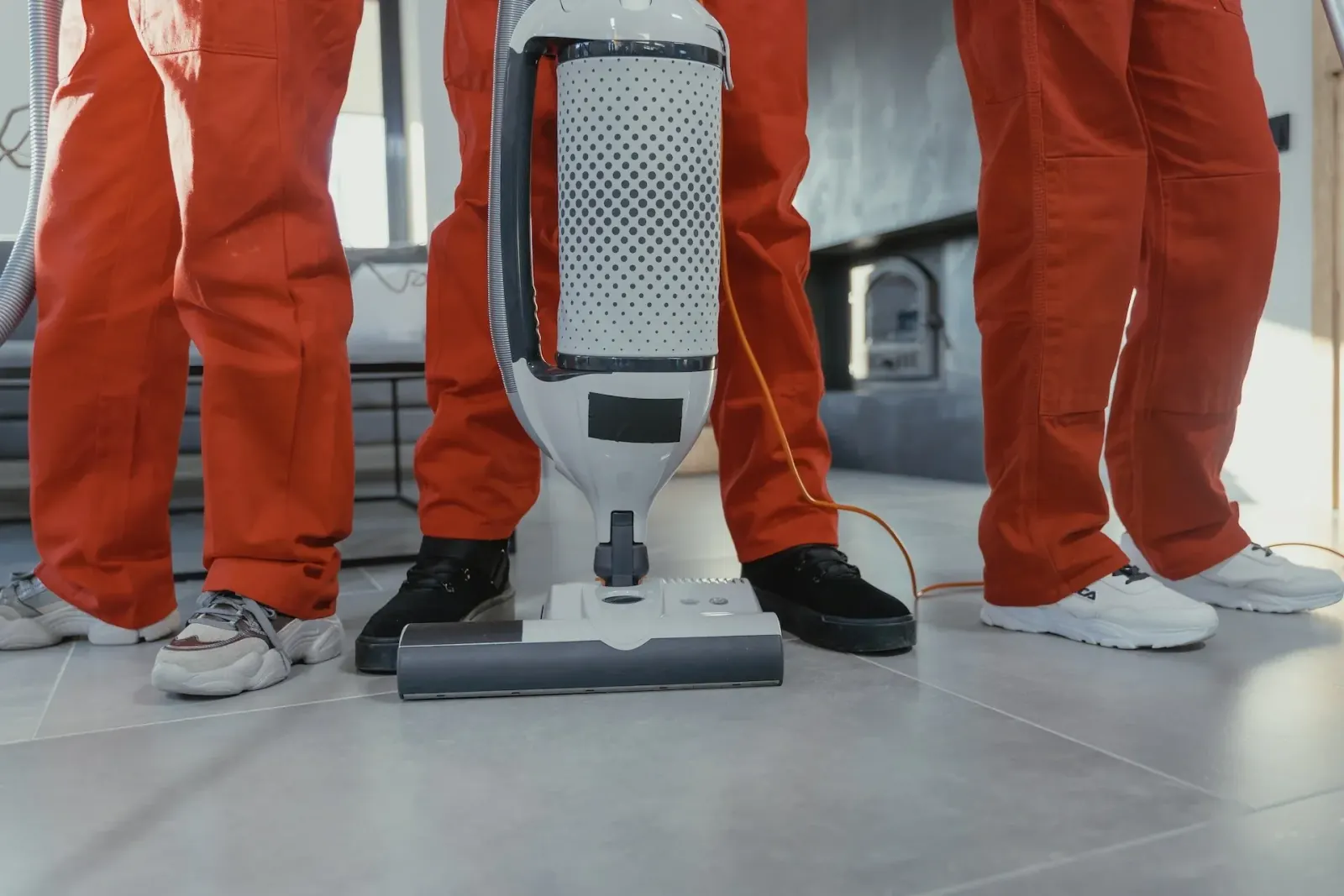
How your team looks has a big effect on how people see your business. Good work shirts help you build credibility and trust with your clients. Clean, branded uniforms show you're professional and that you pay attention to detail. Customers want both from a cleaning service.
Pick tough fabric that's easy to wash and comfortable to work in. Your logo should be easy to see, and the design should match your brand's colors and look.
5. Purchase Cleaning Supplies
Buy good cleaning supplies. The right tools help you work faster and do a thorough job, and that keeps customers happy.
Your list might include rags, sponges, buckets and products like detergents, disinfectants and degreasers. Look at both regular and eco-friendly products, since more customers now want green cleaning. Don't forget equipment like vacuum cleaners, brooms, mops and window cleaning kits.
6. Decide What Type of Cleanings You Will Be Doing and What Type of Clients You Want to Market To
Your business plan starts with what you'll clean and who you'll clean for. You might focus on residential cleaning, commercial cleaning or a niche such as post-construction cleanup or eco-friendly cleaning.
Once you know your services, pin down your target clients. They could be homeowners, office managers, construction companies or landlords. When you know who you're selling to, you can shape your marketing and your services around what they need.
7. Make Marketing Materials and Business Cards
Good marketing materials get your name out and bring in new clients. Think brochures, flyers, posters and business cards that show your services, pricing and contact information. They should look professional and match your brand's image and values.
Business cards often make the first impression, so put some thought into them. Make sure they're well designed, with text that's easy to read and your logo front and center. Hand them out at networking events and local businesses, and give one to every client you clean for.
8. Market Your Business
Don't wait for clients to find you. Go out and market your business. Online, that can mean building a professional website, posting on social media and using search engine optimization (SEO) so people can find you.
Don't skip the old-school methods either, like word of mouth and local print ads. Joining local business associations and chambers of commerce gives you a chance to network and get your name known in the community.
9. Liability Insurance for Your Rental Cleaning Business
Every rental cleaning business should think about liability insurance. Whether you clean Airbnb rentals, office spaces or homes, liability coverage protects your business.
So what is liability insurance? Put simply, it's a type of insurance that covers legal costs and payouts if your business is sued for causing harm to others. Say one of your employees damages a client's property by accident while cleaning. Or a client slips and falls on a wet floor your team left behind. Liability insurance would cover those costs.
Why does a rental cleaning business need it? Cleaning comes with risk. You're always working inside other people's properties, and sometimes you're dealing with hazardous materials or risky situations. Accidents can happen no matter how careful you are.
When you choose a policy, make sure it's tailored to your business.
Yes, liability insurance costs money. It's also an investment in the security and long life of your rental cleaning business. It protects both your business and your personal finances, so you can work with confidence, knowing you're covered if something unexpected happens.
If you're not sure what coverage you need, ask an insurance agent or broker for advice based on your business's needs.
Getting Started
There's a lot to running a cleaning business besides the cleaning itself: planning, smart choices and following through on each of the steps above. With patience and dedication, your cleaning business can grow and stand out in a busy industry.